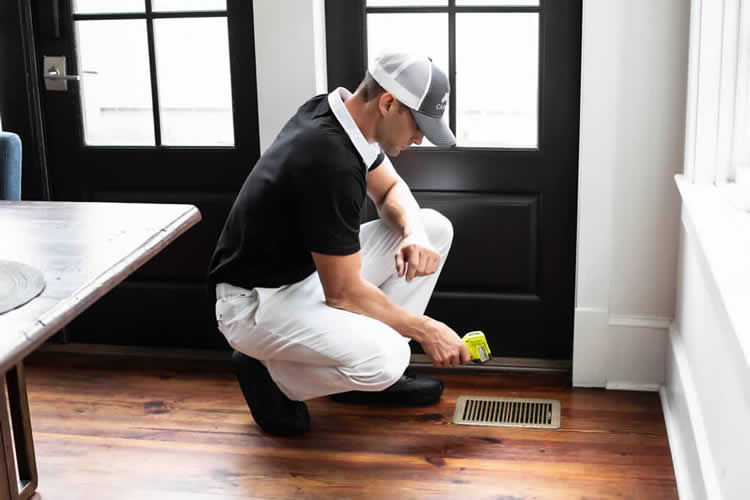
What Does Professional Air Duct Cleaning Actually Look Like?
Professional air duct cleaning in the Greater Savannah area involves a technician using specialized high-powered vacuums (typically 2,000–10,000 CFM negative pressure units), rotary brush systems or compressed air whips, and HEPA-filtered collection to dislodge and remove accumulated dust, pollen, pet dander, mold spores, construction debris, and biological growth from inside supply ducts, return ducts, registers, grilles, and the air handler cabinet—without damaging duct material or spreading contaminants throughout the home.
Bottom line: A legitimate professional duct cleaning takes 3–8 hours for a typical 2,000–3,000 sq ft Savannah home, uses truck-mounted or portable negative-air machines to create containment, physically agitates interior duct surfaces with brushes or air tools, captures debris in HEPA filtration so nothing gets blown back into living spaces, and includes visual inspection before and after via camera—anything less (e.g., “blow and go” with a shop vac) does not qualify as proper cleaning and can actually worsen indoor air quality.
Most homeowners picture someone sticking a vacuum hose into a vent and calling it done. That is not professional duct cleaning. In reality, the process follows industry standards (NADCA ACR-21 guidelines) and is far more methodical because duct interiors are dark, narrow, and often lined with fiberglass or flexible material that can tear if mishandled.
In Savannah’s climate—where high humidity (75–85% May–October), pollen seasons, construction dust in growing Pooler neighborhoods, and occasional salt air near Tybee Island or Garden City accelerate contamination buildup—skipping steps or using improper equipment leaves mold, allergens, and fine particulates behind.
Step-by-Step: What Happens During a Professional Cleaning
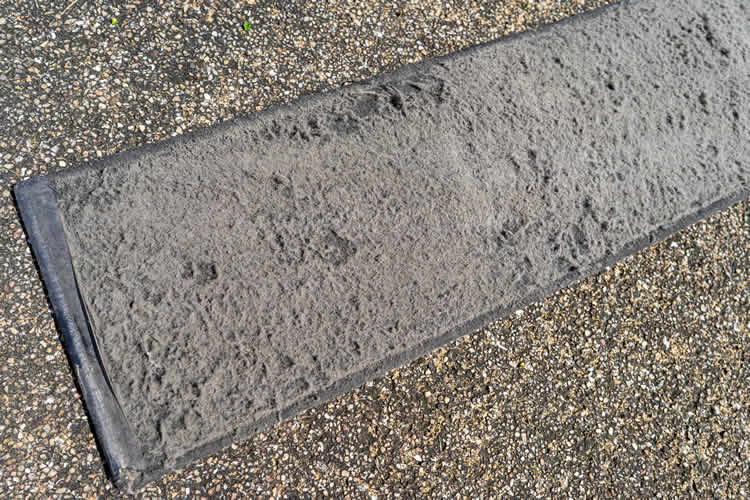
The technician starts with a full-system inspection using a high-resolution duct camera inserted through existing openings (registers, air handler access panels, or small drilled ports that are sealed afterward). This documents existing conditions—visible dust layers, mold patches, disconnected sections, crushed flexible ducts, or standing water from poor drainage—and establishes a baseline for before-and-after comparison.
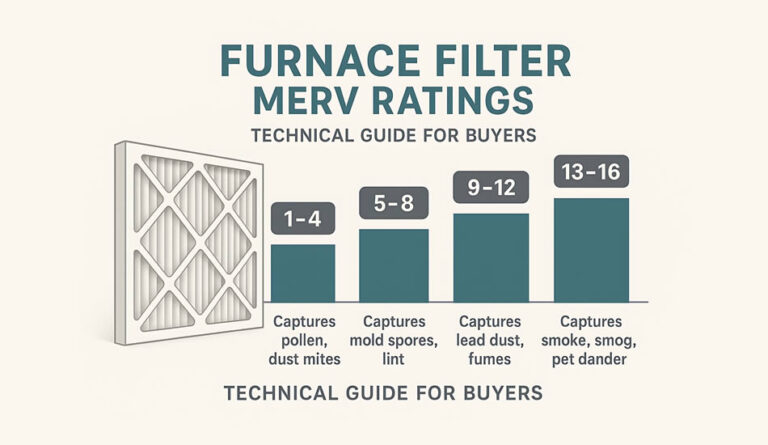
Next, the crew sets up containment. They seal all supply and return registers with plastic and tape, connect the truck-mounted or portable negative-air machine to the system (usually at the air handler or a main trunk line), and create negative pressure that pulls air and debris toward the vacuum collection point rather than pushing it into the home. HEPA filtration (99.97% efficient at 0.3 microns) captures everything so only clean air exhausts outside.
With negative pressure established, technicians access the duct interior. For metal or rigid fiberglass ducts, they use rotary brush systems attached to flexible shafts—brushes spin at 400–900 RPM to agitate and loosen debris from all four walls. Compressed air whips or skippers (pneumatic tools that whip around inside the duct) dislodge material in flexible or round ducts where brushes can snag or tear liners.
Debris travels through the vacuum hose to the truck or portable unit. Technicians work section by section—starting at the farthest register and moving toward the air handler—repeating brushing/agitation and vacuuming until the camera shows clean duct walls. Supply ducts get priority because they deliver air to living spaces; return ducts are cleaned to prevent pulling contaminants from attics or crawlspaces.
The air handler cabinet, blower wheel, evaporator coil (if accessible), and drain pan are cleaned separately. Technicians remove the blower assembly when possible, vacuum and brush the wheel, wipe down the cabinet interior, and apply sanitizer to the coil and pan if mold is present. In humid Georgia, this step is critical—neglected coils and pans harbor biofilm that re-contaminates clean ducts within weeks.
Finally, registers and grilles are removed, vacuumed, brushed, and washed if needed before reinstallation. The crew performs a post-clean camera inspection (often recorded for the customer) to verify results, then removes containment, tests system operation, and provides documentation.
Common Shortcuts Homeowners Should Watch For
Many “duct cleaning” services skip negative pressure and HEPA filtration, relying on a shop vac or portable blower that pushes debris into the home or attic instead of capturing it. Others use soft brushes or no agitation at all, merely vacuuming accessible runs while leaving deeper contamination untouched. Some skip the air handler entirely or charge extra for “add-ons” that should be standard.
In Savannah, where pollen, construction dust, and humidity create heavy buildup, these shortcuts leave the system worse than before—stirring up settled contaminants without removing them.
Signs Your Ducts Actually Need Cleaning
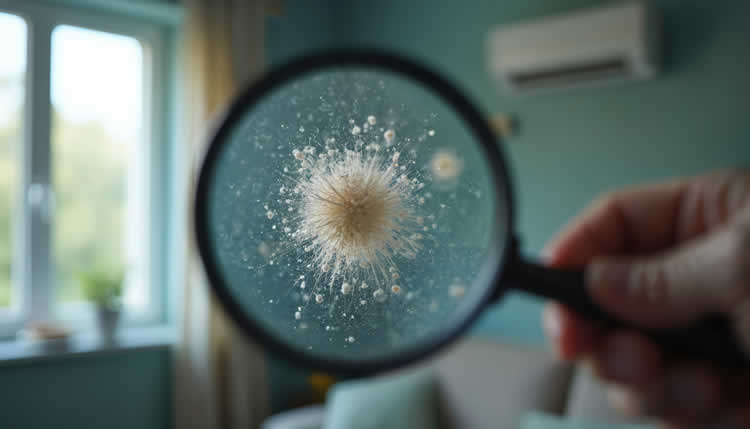
Visible dust blowing from registers, black streaks around vents (mold or soot), musty odors when the blower runs, unexplained allergy/congestion spikes indoors, excessive dust accumulation shortly after cleaning other surfaces, or a recent HVAC replacement/installation that stirred up old debris.
If ducts have not been cleaned in 5–10 years and the home shows any of these signs, professional cleaning is usually warranted.
Carriage Heating & Cooling performs NADCA-compliant duct cleaning with negative-air HEPA systems, pre- and post-camera inspections, full air handler attention, and transparent reporting—ensuring real contaminant removal and improved air quality for homes in Pooler, Savannah, Richmond Hill, Rincon, Tybee Island, and surrounding areas.