What Does HVAC Maintenance Actually Include? (Full Checklist)
HVAC maintenance involves a professional technician performing a comprehensive inspection, cleaning, and adjustment of key system components twice per year—typically spring for AC and fall for heating—to ensure efficient operation, catch small issues early, and extend equipment life in humid coastal climates like Greater Savannah. This includes checking refrigerant levels, cleaning coils, lubricating moving parts, inspecting electrical connections, testing controls, clearing drains, and verifying thermostat accuracy, among other tasks.
Bottom line: A full maintenance visit covers 15-20 specific checks and cleanings that prevent breakdowns, improve energy efficiency by 10-15%, and maintain indoor air quality, especially important in Pooler’s high-humidity environment where pollen and moisture accelerate component wear.
Your HVAC system circulates conditioned air through a network of coils, fans, refrigerant lines, and electrical components to regulate temperature and humidity year-round. In the Greater Savannah area, with cooling demands from April through October and mild but humid winters, regular professional service keeps the system balanced against constant moisture, salt air near the coast, and pollen spikes. Skipping these checks leads to reduced performance and higher risks during peak seasons.
Why Twice-Yearly Maintenance Matters in Savannah’s Climate
Spring preparation focuses on AC readiness before temperatures climb to 95°F+ with 80% humidity, addressing issues like dirty coils from winter inactivity or pollen buildup. Fall service readies heating for occasional cool snaps while confirming the system handled summer stress without hidden damage.
Coastal exposure in areas like Tybee Island or Garden City promotes faster corrosion on outdoor units, while inland spots like Rincon see more dust and debris. Professional visits include targeted cleanings and inspections that DIY efforts often miss, preserving efficiency in these conditions.
Core Components Checked During a Professional HVAC Tune-Up
- Technicians start with the thermostat, confirming accurate calibration and proper operation in both cool and heat modes. Incorrect readings lead to over-cycling or insufficient runtime.
- Electrical connections get tightened and tested for voltage drops or corrosion—common in humid environments where moisture invades panels. Loose or faulty wiring causes intermittent failures or safety hazards.
- Moving parts such as blower motors and fan bearings receive lubrication to reduce friction and noise. Dry bearings wear prematurely in long-run seasons.
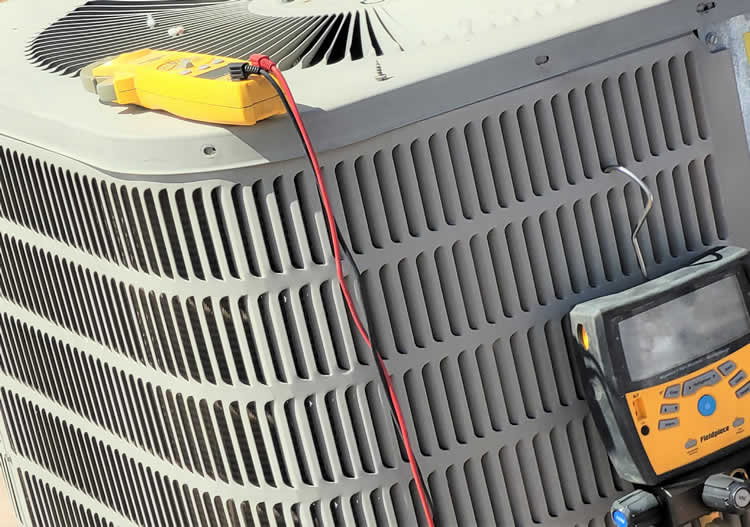
- Refrigerant levels and pressures are measured with gauges to detect leaks early. Low charge reduces cooling capacity and strains the compressor.
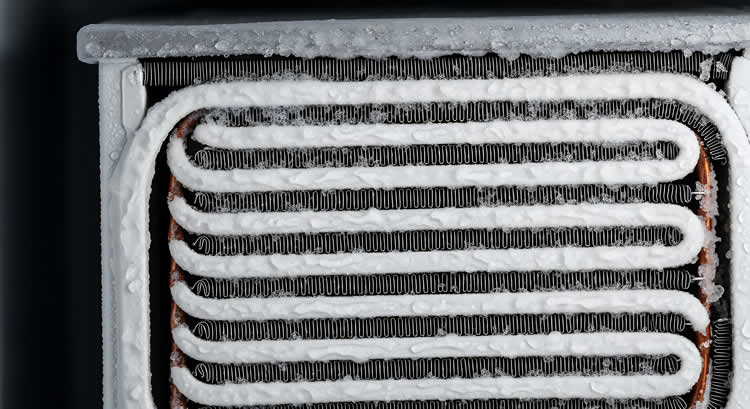
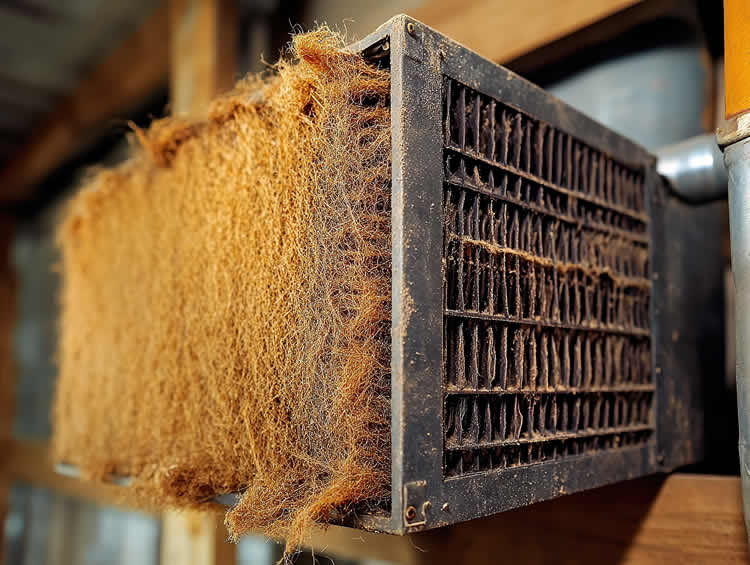
- Both evaporator (indoor) and condenser (outdoor) coils undergo thorough cleaning to remove dirt, pollen, and debris that block heat transfer. In pollen-heavy springs, this step restores airflow quickly.
- The condensate drain line clears of algae and blockages, often with a flush and biocide treatment to prevent overflows in high-humidity homes.
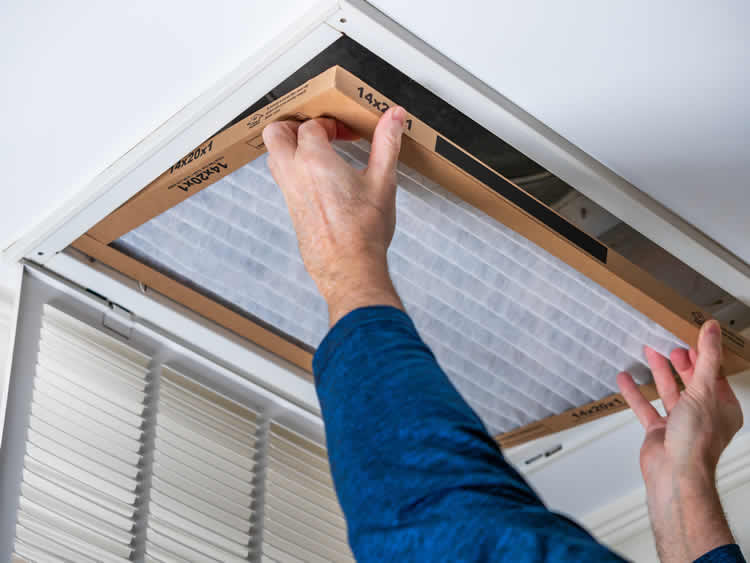
- Air filters are inspected and replaced if needed, though many plans include this as a separate homeowner task.
- Blower components, belts (if present), and pulleys adjust for proper tension and alignment, ensuring even air distribution.
- Safety controls, including limit switches and pressure switches, test for correct function to prevent overheating or over-pressurization.
- Ductwork connections check for obvious leaks or damage, though full duct sealing requires separate service.
- For gas furnaces or heat pumps, heat exchangers inspect for cracks, burners clean, and flame sensors verify.
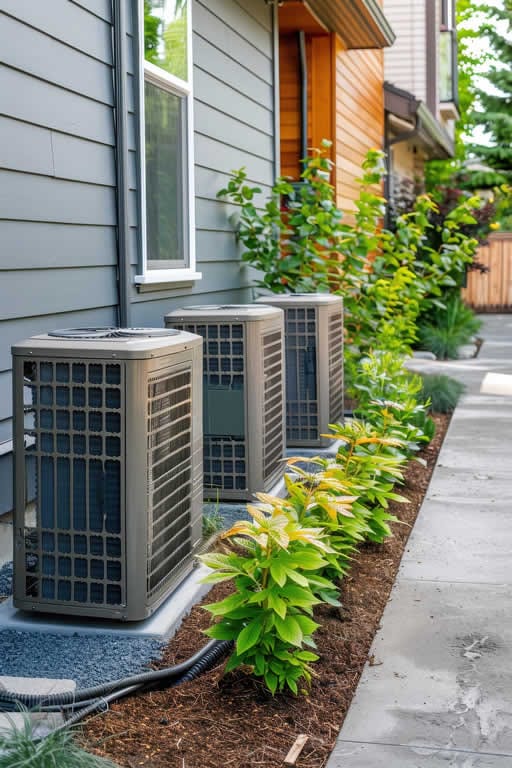
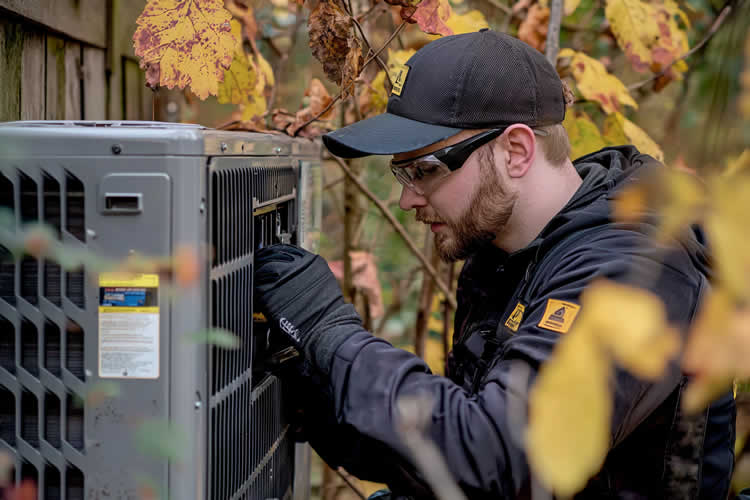
- The outdoor unit clears of vegetation and debris, maintaining airflow around the condenser.
Technicians run the system post-service to confirm temperatures drop appropriately—typically 15-20°F differential—and document findings.
Seasonal Differences in Maintenance Focus
Spring AC tune-ups emphasize evaporator coil access, refrigerant checks, and drain line treatment to combat summer humidity load. Technicians often add UV lights or better drainage recommendations for persistent mold risks.
Fall heating inspections prioritize heat exchanger integrity, burner assembly cleaning, and gas pressure verification. In mild Georgia winters, this ensures reliable operation during occasional cold fronts.
Combined plans cover both seasons efficiently, adapting to local patterns like afternoon thunderstorms that can introduce surge damage or debris.
Homeowner Tasks That Complement Professional Service
Change air filters monthly during peak pollen (March-May) and every 1-3 months otherwise—critical in humid coastal Georgia where filters load faster.
Keep the outdoor unit clear of plants, leaves, and post-storm debris, maintaining 2 feet of clearance.
Monitor for unusual noises, higher bills, or reduced airflow, reporting promptly.
These simple actions extend intervals between major issues and maximize professional visit value.
Benefits You Notice After Consistent Maintenance
Systems run quieter with fewer vibrations from unlubricated parts. Energy bills stabilize or drop as efficiency improves against Savannah’s demanding conditions.
Breakdowns decrease, avoiding emergency calls during heat waves. Indoor air stays cleaner with better filtration and reduced mold potential.
Warranties often require documented service—professional logs protect coverage for major components.
In Pooler and surrounding areas, where new constructions meet older homes, tailored maintenance addresses varying system ages and duct conditions.