UV Lights for HVAC: Do They Actually Work? What the Research Says
UV lights for HVAC systems do work to reduce microbial growth on surfaces like evaporator coils and drain pans—where mold and bacteria thrive in moist environments—but research shows their effectiveness is limited for airborne pathogens in typical home setups, with studies indicating 90-99% kill rates on surfaces but only 25-50% reductions in circulating air contaminants without proper ventilation and moisture control.
Bottom line: In Savannah’s coastal humidity (75-85% relative humidity from May to October, with dew points often above 70°F), UV lights effectively prevent mold on HVAC coils (up to 97% reduction per studies from Duke University and ASHRAE) and improve system efficiency by 10-15%, but they produce limited benefits for overall indoor air quality unless paired with filtration and dehumidification—expect costs of $500-$1,200 installed, with annual bulb replacements at $50-$150.
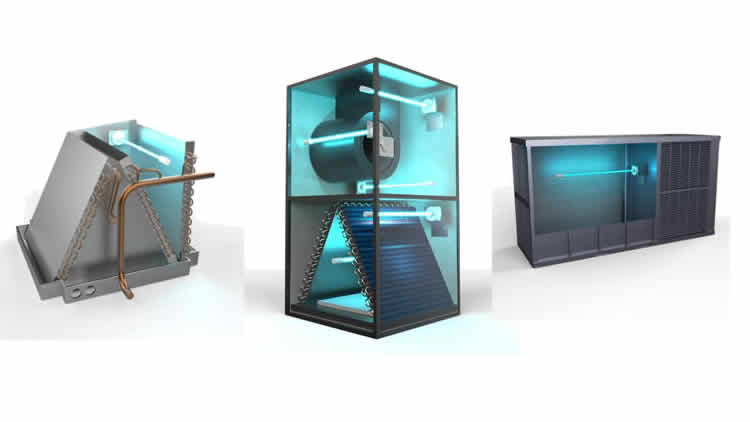
UV lights, specifically germicidal UV-C lamps (wavelength 254-265 nm), emit ultraviolet radiation that damages the DNA and RNA of microorganisms, preventing replication and causing cell death. Installed near the evaporator coil or in ducts, they target bacteria, viruses, mold spores, and fungi that accumulate in the damp, dark interiors of HVAC systems. In Savannah’s climate—where extended cooling seasons and frequent thunderstorms keep coils perpetually wet—these lights aim to interrupt the cycle of biological growth that reduces efficiency and spreads contaminants.
Research is mixed: surface disinfection is well-supported, but airborne efficacy in homes is lower due to short exposure times as air passes quickly. A 2012 Duke University study found UV-C reduced drug-resistant bacteria by over 97% in hospital rooms, but that was in controlled, unoccupied spaces with prolonged exposure.
For HVAC, the National Air Duct Cleaners Association (NADCA) reported 25-30% airborne bacteria reduction and up to 99.9% on coils/drain pans. ASHRAE studies show 50-90% microbial decreases, and a NCBI office building trial noted significantly lower fungal levels in UV-equipped air handlers after four months.
The EPA cautions that typical home UVGI units provide limited killing of bacteria and molds in air, requiring much higher exposure for spores than standard setups deliver; dead mold remains allergenic. A 2023 MIT study warned that some UV lights (222 nm) produce harmful compounds like ozone and secondary organic aerosols indoors, recommending ventilation to dilute them.
How UV Lights Work in HVAC Systems
UV-C radiation (100-280 nm) penetrates microbial cells, breaking bonds in DNA/RNA and halting reproduction. Coil sterilization lights shine continuously on the evaporator coil and drain pan—moist areas where mold forms biofilm. Air sterilization lights in ducts target passing air, but effectiveness drops with high airflow speeds (common in residential systems at 400 CFM/ton).
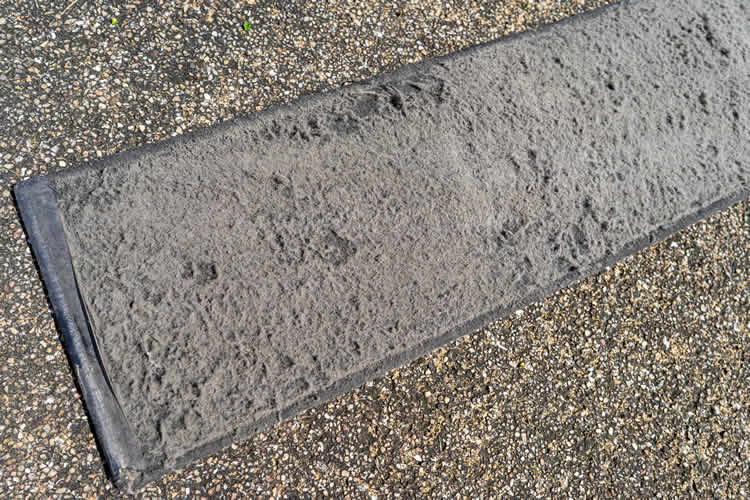
In humid Savannah, where coils condense 10-20 gallons of water daily, UV prevents the “dirty sock” syndrome—musty odors from bacterial growth. Without UV, biofilm insulates the coil, reducing dehumidification by 15-25% and spiking bills.
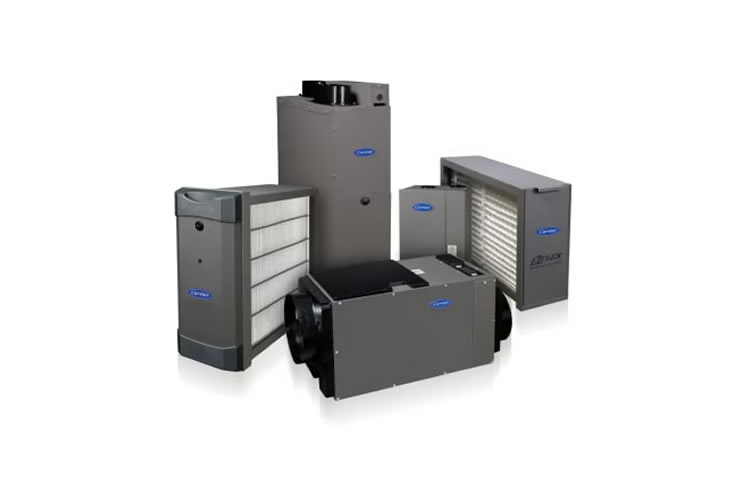
Types include:
- Coil lights: $300-600, prevent surface mold.
- In-duct lights: $600-1,200, aim at airborne pathogens.
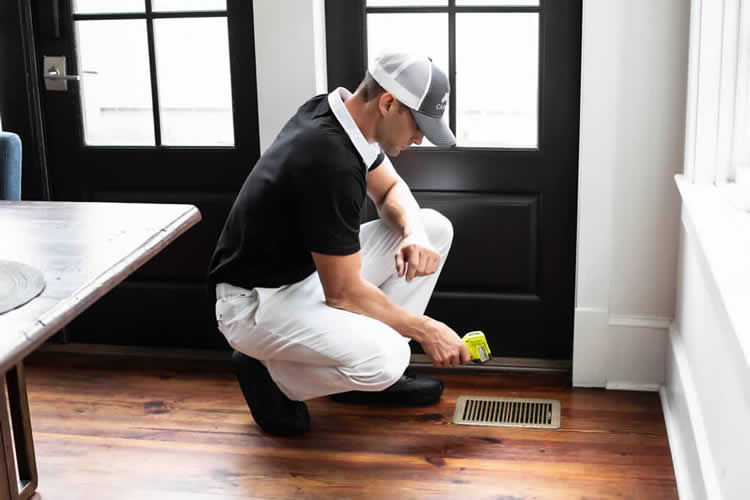
Installation takes 1-2 hours near the air handler; bulbs last 1-2 years (9,000-14,000 hours).
What Research Says About Effectiveness for Mold and Bacteria
Studies confirm UV’s surface impact. The Duke study (2012) achieved 97% bacteria reduction in hospitals, but that’s direct exposure. For HVAC, a 2001 Applied Environmental Microbiology study (NCBI) showed UV reduced fungal contamination in air handlers significantly after 4 months—levels in UV units were “much lower” than controls.
NADCA’s white paper cites 25-30% airborne bacteria drop and 99.9% surface kill rates. ASHRAE research indicates 50-90% microbial reduction on coils. A CU Boulder study (2024) found UV reduced airborne allergens (mold, dander, mites) by 25% in 30 minutes.
For mold specifically, EPA notes UV destroys some molds on HVAC surfaces if designed properly, but home units lack intensity for spores (needing 100-10,000 J/m² vs. bacteria’s 20 J/m²). Safe Air Mold Testing confirms UV kills mold effectively on exposed surfaces but requires moisture control to prevent regrowth.
Bacterial effectiveness is higher: Pro Electric VA cites 97% viable bacterial reduction per peer-reviewed studies, 99% overall microbial growth (CDC/EPA/ASHRAE-backed).
Virus inactivation is promising: Optimized Airflow references ASHRAE’s 50-90% reduction, with Duke experiments showing over 99% for influenza-like viruses.
Limitations: MIT’s 2023 study showed 222 nm UV produces ozone, OH radicals, and harmful VOCs indoors—recommending ventilation to avoid buildup. Mayo Clinic discussions highlight no independent home HVAC research; effectiveness depends on direct shine, power, time, and may degrade components.
Benefits of UV Lights in Savannah’s Humid Climate
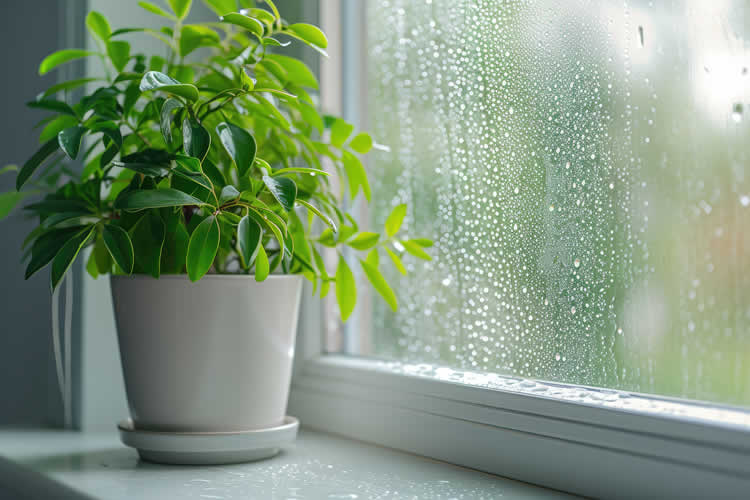
High humidity makes mold inevitable on coils without intervention—UV prevents this, maintaining dehumidification and efficiency. Expect 10-25% energy savings (NADCA) from clean coils, reduced odors, and fewer allergies (25% allergen drop per CU Boulder).
In coastal areas like Tybee, salt air worsens coil fouling; UV extends system life by 2-5 years. For pollen-heavy springs, UV reduces spore circulation, easing respiratory issues.
Drawbacks and When UV Lights Aren’t Enough
UV doesn’t remove dust/pollen (needs filters) or non-living allergens. Ozone risk in poor units irritates lungs (EPA warns). Bulb replacement adds $50-150 yearly maintenance. Limited airborne efficacy in homes means UV complements, not replaces, dehumidifiers or filtration.
If humidity stays above 55%, UV alone won’t suffice—address oversizing or leaks first.
When to Install UV Lights in Your HVAC System
Install if you have recurrent musty odors, coil mold, allergies worsening indoors, or high humidity despite maintenance. Best for humid climates like Savannah—add during tune-ups or replacements.
Costs: $500-1,200 installed; ROI in 2-4 years via efficiency/savings.
Carriage Heating & Cooling installs UV lights with system diagnostics, ensuring proper placement for maximum mold prevention and air quality improvement in Pooler, Savannah, Richmond Hill, Rincon, Tybee Island, and surrounding areas.