Signs Your HVAC System Is Losing Efficiency (Before It Breaks Down)
Your HVAC system shows early signs of losing efficiency through longer run times to reach the same temperature, higher monthly energy bills without changes in usage or rates, uneven temperatures across rooms, increased dust or allergy symptoms indoors, and unusual noises or odors from vents or the unit—indicators that components are working harder than normal in Greater Savannah’s humid, pollen-heavy climate.
Bottom line: Catching these signs early—often 6-12 months before a major failure—allows simple fixes or tune-ups to restore 10-20% efficiency, avoid $500-$2,000 emergency repairs, and extend system life by several years in conditions where high humidity, salt air, and extended cooling seasons accelerate wear.
In the Greater Savannah area, AC systems run near-continuously from April through October under 90°F+ heat with 75-85% humidity, making efficiency losses noticeable faster than in milder climates. Pollen clogs filters and coils, salt air near Tybee Island or Garden City corrodes components, and afternoon thunderstorms introduce surges or debris—all compounding small issues into bigger problems if ignored.
Longer Run Times and Constant Cycling
The system runs longer to maintain setpoint or cycles on and off more frequently (short cycling). What used to take 10-15 minutes per cycle now stretches to 30+ minutes, or the unit never quite shuts off during moderate weather.
In humid Pooler or Richmond Hill homes, this often stems from dirty coils reducing heat transfer, low refrigerant from slow leaks, or restricted airflow—each forcing the compressor and blower to compensate with extra energy.
Track run times over a week using a smart thermostat app or simple observation—if they’re noticeably longer than last season, efficiency has dropped significantly.
Rising Energy Bills Without Explanation
Cooling costs climb 15-30% year-over-year despite similar weather and occupancy. Georgia Power average summer bills for a 2,000 sq ft home hover around $200-$300; a sudden jump to $350+ without added usage points to inefficiency.
Common culprits include dirty evaporator/condenser coils (reducing efficiency 10-20%), aging capacitors drawing excess amps, or leaky ducts losing cooled air before it reaches rooms.
Compare bills month-to-month and against last year’s same period—consistent upward trends without rate hikes or lifestyle changes signal maintenance needs.
Uneven Temperatures or Hot/Cold Spots
Some rooms stay comfortable while others feel noticeably warmer or cooler, even with vents open and doors unobstructed. This indicates poor airflow distribution from dirty blower wheels, blocked ducts, or failing dampers in zoned systems.
In historic Savannah homes with aging ductwork or newer Pooler builds with long runs, minor restrictions compound over time, forcing the system to overcompensate in certain areas.
Feel temperature differences room-to-room on a hot day—if variance exceeds 4-6°F, efficiency and comfort suffer.
Increased Dust, Allergies, or Poor Indoor Air Quality
More dust accumulates on surfaces, furniture, or around vents; allergy or asthma symptoms worsen indoors despite regular cleaning.
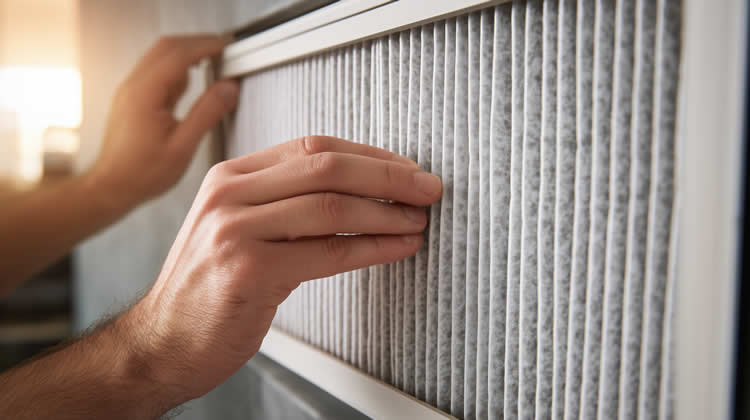
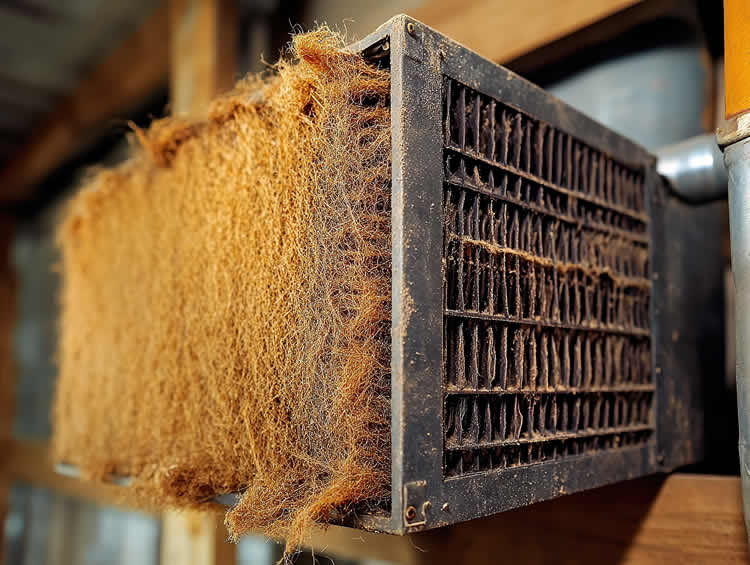
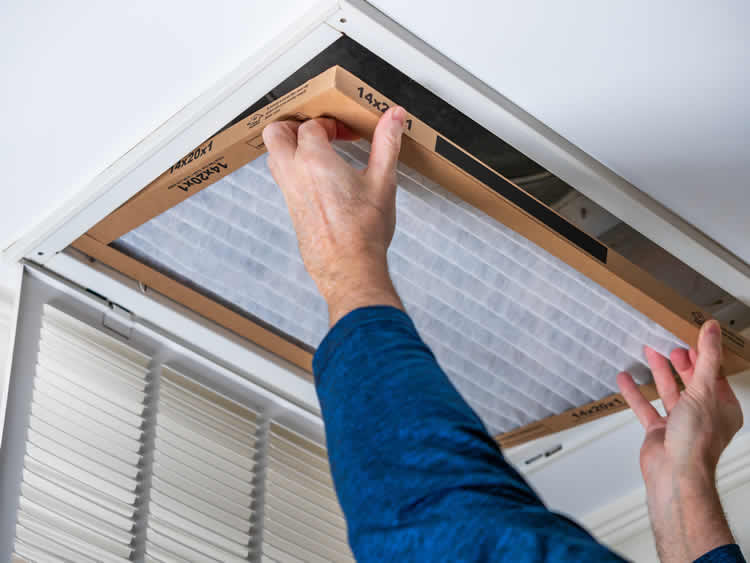
Dirty air filters, clogged evaporator coils, or mold growth in the air handler reduce filtration and allow contaminants to circulate. In pollen-heavy springs and humid summers, this sign appears quickly when efficiency drops.
Check supply vents for visible dust buildup or musty odors—both point to neglected components.
Unusual Noises or Vibrations
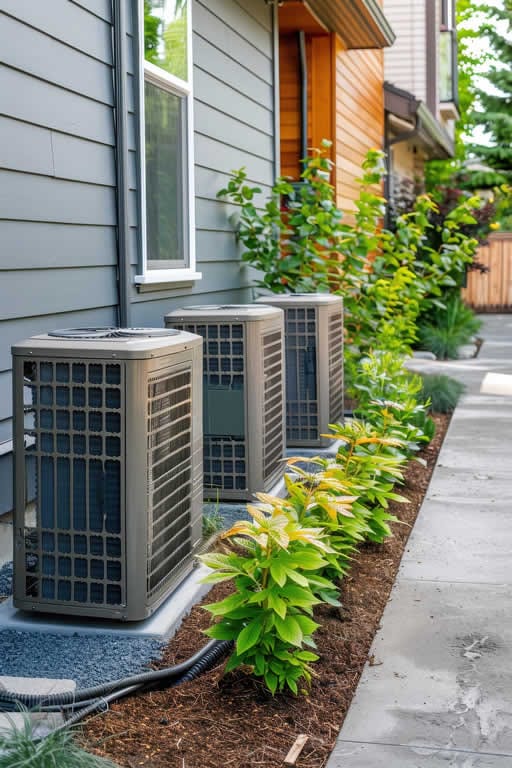
New or louder sounds emerge: grinding from the blower, rattling in ducts, buzzing from the outdoor unit, or high-pitched squeals.
These often indicate worn bearings, loose parts, failing motors, or debris in the system—each reducing efficiency as components fight against resistance.
Listen during startup and steady operation; any change warrants inspection before it escalates to failure.
Other Early Warning Signs Specific to Our Climate
Higher indoor humidity persists (above 60%) even when AC runs—poor dehumidification from dirty coils or low refrigerant.
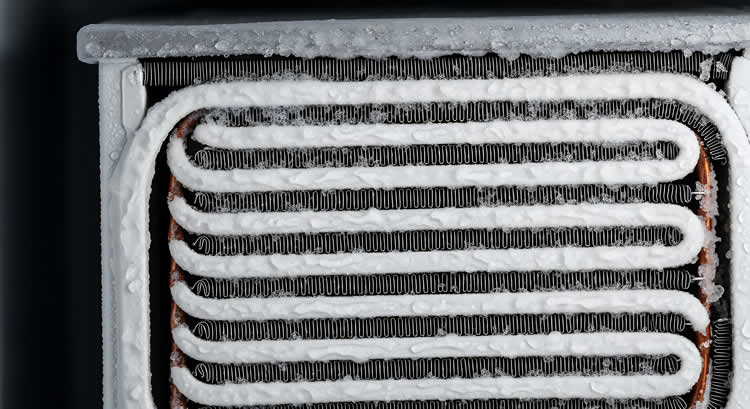
Ice on suction lines or frost on the outdoor unit during normal operation signals airflow or charge issues.
Frequent thermostat adjustments needed to maintain comfort—system struggles to hold setpoint.
Musty or “dirty sock” smells from vents indicate mold or bacteria on wet coils, common in humid Georgia without proper drainage maintenance.
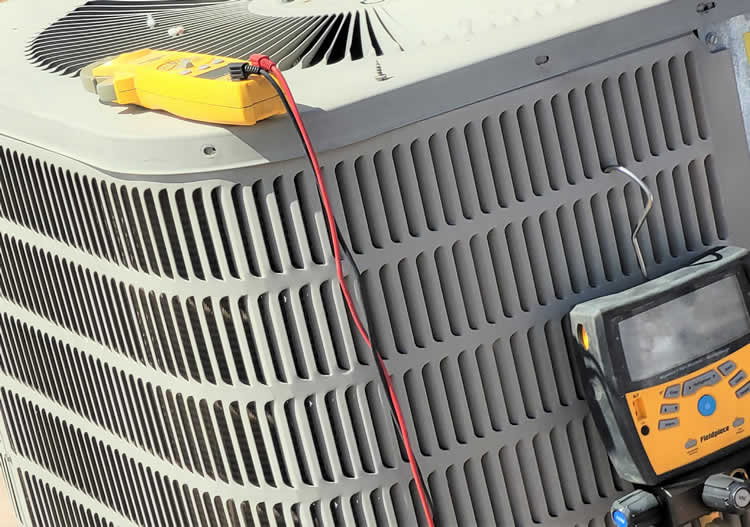
If several signs appear together, efficiency has likely declined 15-30%, and a professional diagnostic prevents bigger problems.
Carriage Heating & Cooling provides thorough inspections with transparent findings and Housecall Pro scheduling, helping identify and correct efficiency losses early for Pooler, Savannah, Richmond Hill, Rincon, and surrounding homeowners.