Savannah homeowners should follow a seasonal HVAC checklist tailored to the area’s humid subtropical climate: perform spring preparation in February-March to ready AC for the long cooling season, maintain vigilance through summer’s 95°F+ heat and high humidity, conduct fall inspections in September-October to transition systems, and address winter basics in December-February for occasional heating needs and year-round protection.
Bottom line: Consistent seasonal actions—filter changes, outdoor unit clearing, professional tune-ups, and monitoring for humidity issues—prevent 70-80% of common breakdowns, keep energy bills lower during extended cooling months (April-October), and extend system life by 3-5 years in Greater Savannah’s demanding conditions of pollen, salt air, storms, and moisture.
The Greater Savannah region experiences mild winters with rare freezes, but cooling dominates with average highs in the low-to-mid 90s°F from June through September, relative humidity frequently 75-85%, pollen peaks in spring, and frequent afternoon thunderstorms that bring debris and power surges. These factors stress HVAC systems more than in drier climates, making seasonal checklists essential for reliability in Pooler, Richmond Hill, Rincon, and coastal spots like Tybee Island.
Spring: Prepare Your AC Before Heat Arrives (February-March)
Focus on getting the cooling system ready after winter inactivity, when pollen begins heavy accumulation and temperatures start climbing.
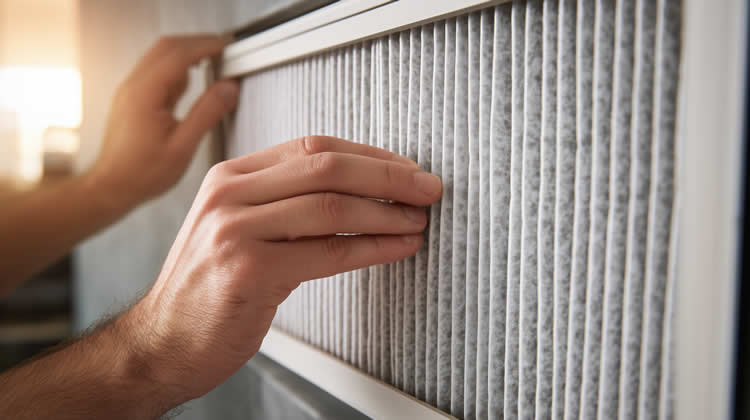
Change or clean the air filter—switch to a fresh one if it’s been 1-3 months, especially important as pine and oak pollen coat surfaces rapidly.
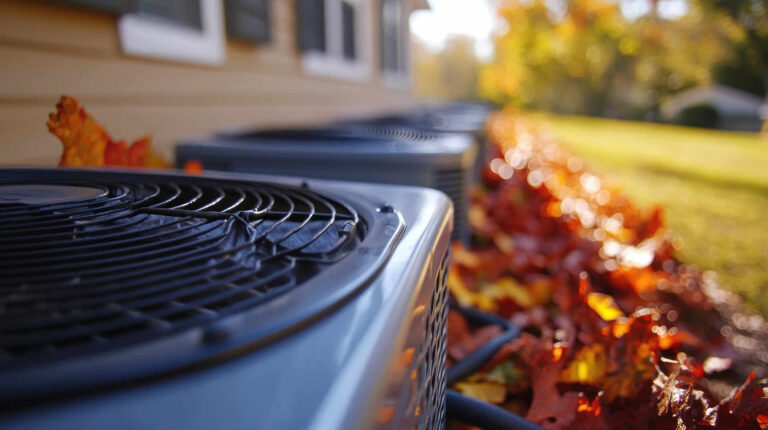
Clear the outdoor condenser unit of leaves, twigs, pollen buildup, and any winter debris; maintain 2 feet of clearance around it for unrestricted airflow.
Inspect visible components: check for obvious damage to fins, lines, or the cabinet from winter storms or salt exposure near Garden City or Tybee.
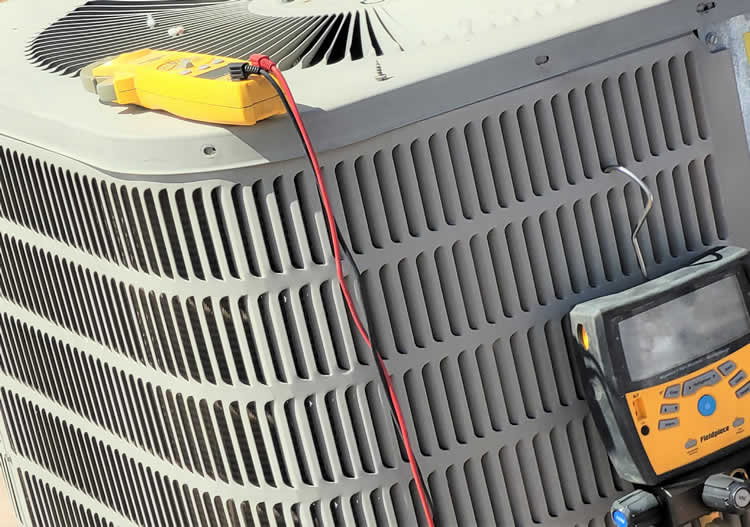
Schedule professional spring tune-up—include coil cleaning (evaporator and condenser), refrigerant pressure check, drain line flush with biocide to prevent algae in humid conditions, electrical testing, and lubrication.
Test the system: run AC for 30-60 minutes on a mild day to confirm cooling starts properly and temperatures drop 15-20°F across vents.
Seal obvious air leaks around windows and doors in older historic Savannah homes to reduce heat gain as summer approaches.
Summer: Maintain Peak Performance During Heat Waves (June-August)
With near-constant runtime in 90°F+ temperatures and high humidity, focus on preventing efficiency drops and breakdowns when demand is highest.
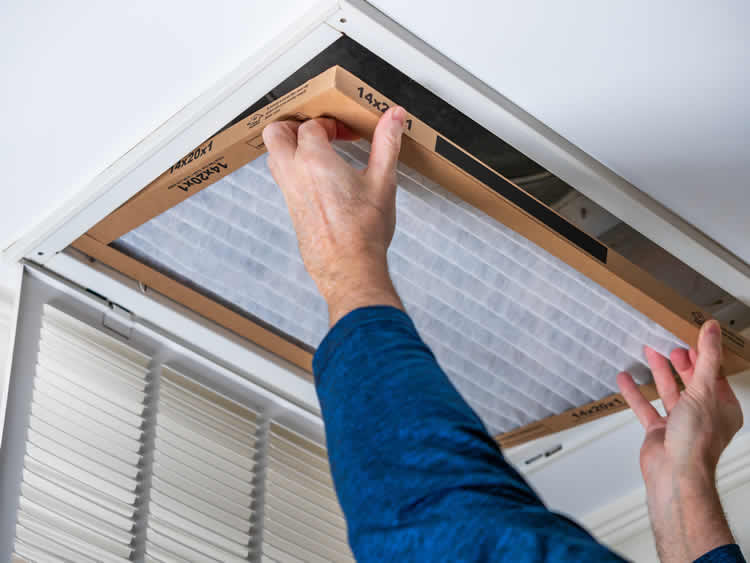
Replace air filter monthly—pollen, construction dust in Bloomingdale or Port Wentworth, and moisture load filters faster; dirty filters restrict airflow and risk frozen coils.
Keep outdoor unit clear after storms—remove leaves, branches, or grass clippings promptly to avoid blocked coils.
Monitor indoor humidity—aim for 45-55% using a hygrometer; if consistently higher, check drain line or schedule service to address poor dehumidification.
Watch energy bills and run times—if bills rise 15%+ without usage change or unit runs nonstop without adequate cooling, call for inspection.
Avoid blocking vents or returns with furniture; ensure even airflow throughout the home. Run ceiling fans on low to assist circulation and allow thermostat settings 2-4°F higher for comfort without overworking the AC.
Schedule mid-summer check if system is older or has shown minor issues—catches capacitor wear or minor refrigerant loss before failure.
Fall: Transition and Inspect After Heavy Cooling Use (September-October)
Assess summer wear, prepare for occasional heating, and address any lingering moisture or mold risks before cooler weather.
Schedule fall professional tune-up—focus on post-season inspection: check for coil mold from humidity, verify electrical components stressed by surges, clean drains, and confirm overall condition.
Change air filter again—summer pollen and dust accumulation warrants it before heating season begins.
Inspect ductwork access points for visible leaks or damage—common in attics of historic Savannah homes where heat and humidity degrade seals.
Test heating mode briefly if heat pump or furnace exists—confirm startup and airflow for rare cool snaps.
Clear outdoor unit of fall leaves and debris to maintain efficiency if cooling continues into early fall.
Consider adding or checking surge protection—thunderstorms remain common, and fall often sees power fluctuations.
Winter: Protect the System During Mild Off-Season (December-February)
With mild temperatures (rarely below 40°F) and lower usage, emphasize protection against inactivity issues and occasional heating demands.
Change filter every 1-3 months—less frequent than summer, but still necessary to prevent dust buildup during low-runtime periods.
Keep outdoor unit free of pine needles, leaves, or ice (if rare freeze occurs)—cover only if manufacturer recommends for extreme protection.
Run system periodically—set thermostat to heat or cool for 15-30 minutes monthly to keep lubricant circulating and prevent seals from drying.
Monitor for unusual noises or odors when running—stale smells may indicate mold in ducts or coils from summer humidity.
Schedule any deferred service—winter offers lower demand and often better availability for deep cleanings or minor repairs.
In coastal areas, inspect for salt corrosion buildup on outdoor components—early cleaning prevents long-term damage.
Year-Round Habits That Support Seasonal Checks
Track performance monthly: note run times, indoor temperatures vs. outdoor, and any bill spikes to spot trends early.
Stay proactive with visible maintenance: clear vegetation growth around the unit, ensure condensate drain pans stay dry, and report issues promptly.
Combine DIY tasks (filter changes, debris removal) with professional service for best results in humid, pollen-prone Georgia.
Carriage Heating & Cooling delivers seasonal tune-ups with Housecall Pro scheduling, transparent pricing, and experienced technicians who understand local climate challenges, keeping homes comfortable across Pooler, Savannah, and surrounding communities year-round.
In Savannah’s hot, humid subtropical climate—with average summer highs of 92-95°F, relative humidity often 75-85%, and a cooling season stretching from March or April through October—most HVAC professionals recommend servicing your AC at least once per year, ideally in early spring (February-March) before peak heat arrives. For homes with heavy usage, older systems (10+ years),…
A standard HVAC maintenance visit includes inspection and cleaning of the condenser and evaporator coils, checking refrigerant levels and pressures, testing electrical components with a multimeter, lubricating moving parts, clearing the condensate drain line, inspecting the air filter, measuring temperature differential across the coil, and verifying thermostat calibration. A thorough tune-up on a residential system…
Basic HVAC maintenance can reduce your energy bill by 10-20% in the Greater Savannah area by improving system efficiency, especially during the long cooling season when high humidity and 90°F+ temperatures force units to run harder. Simple actions like changing air filters regularly, keeping coils clean, sealing duct leaks, and scheduling annual professional tune-ups prevent…
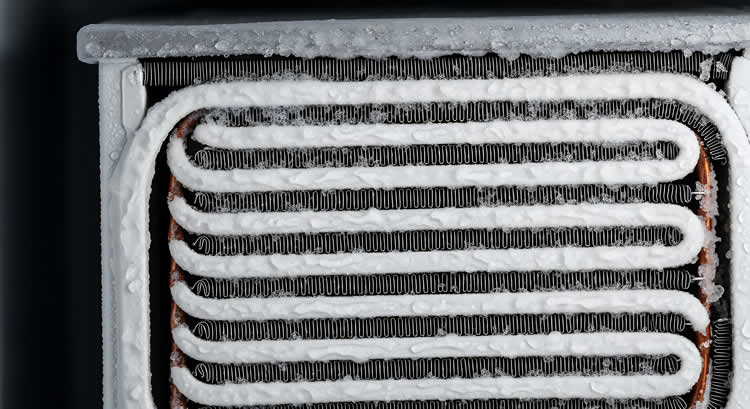
An AC system freezes up when airflow across the evaporator coil drops too low or refrigerant levels fall below the designed charge, causing the coil temperature to plunge below 32°F and freeze the condensation on its surface. The three most common causes are a dirty air filter, low refrigerant from a leak, and a failing…
Replace your HVAC air filter every 30 to 60 days in the Savannah area during the cooling season, not the 90 days printed on most filter packaging. Coastal Georgia’s combination of extreme pollen loads from March through May, year-round high humidity that causes filters to absorb moisture and clog faster, and extended system runtime from…
Your HVAC system shows early signs of losing efficiency through longer run times to reach the same temperature, higher monthly energy bills without changes in usage or rates, uneven temperatures across rooms, increased dust or allergy symptoms indoors, and unusual noises or odors from vents or the unit—indicators that components are working harder than normal…