How to Lower Your Energy Bill With Basic HVAC Maintenance
Basic HVAC maintenance can reduce your energy bill by 10-20% in the Greater Savannah area by improving system efficiency, especially during the long cooling season when high humidity and 90°F+ temperatures force units to run harder. Simple actions like changing air filters regularly, keeping coils clean, sealing duct leaks, and scheduling annual professional tune-ups prevent the system from wasting electricity on restricted airflow or overworked components.
Bottom line: Homeowners who perform consistent basic maintenance often see monthly savings of $20-$60 on cooling bills alone (based on average Georgia household usage of 1,200-1,500 kWh in summer), with payback on professional tune-ups occurring within one season through lower bills and avoided repairs.
In humid coastal Georgia, AC systems work double duty to cool and dehumidify air, increasing energy demand compared to drier climates. Pollen, salt air near Tybee Island or Garden City, construction dust in Pooler, and frequent thunderstorms add contaminants and stress that degrade performance quickly. Basic maintenance counters these factors directly, restoring efficiency without major expense.
Replace Air Filters on a Strict Schedule
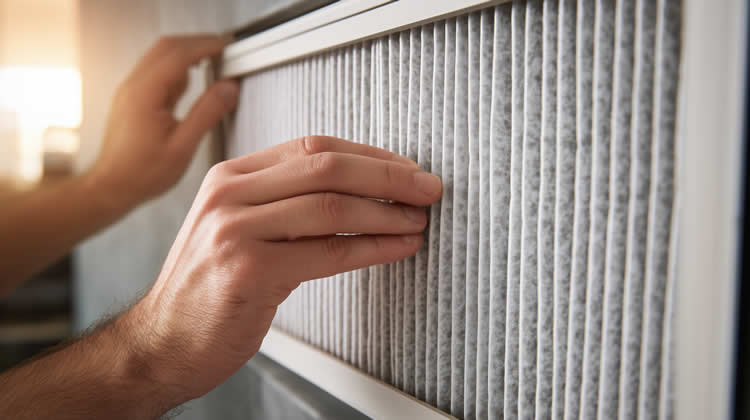
Dirty filters restrict airflow, forcing the blower motor to work harder and the system to run longer to reach setpoint. In Savannah’s pollen-heavy springs and humid summers, filters clog in as little as 30 days.
Change standard 1-inch filters every 30-60 days during peak season (March-October) and every 90 days otherwise. Use pleated filters rated MERV 8-13 for good particle capture without excessive restriction—higher MERV can reduce airflow too much on older systems.
This single habit can improve efficiency by 5-15%, cutting run times and energy use noticeably. Track changes on your phone calendar or set reminders to avoid forgetting.
Keep the Outdoor Condenser Unit Clean and Clear
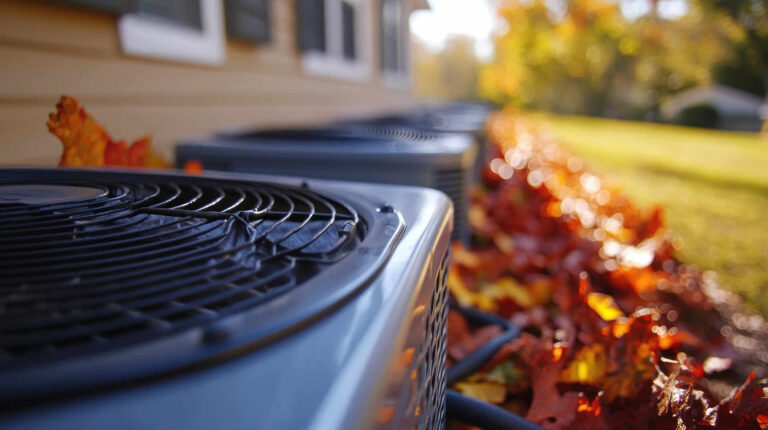
Blocked condenser coils prevent effective heat release, raising head pressure and compressor workload. Debris from storms, leaves, grass, or pollen reduces heat transfer.
Maintain 2 feet of clearance around the unit year-round—trim vegetation, remove fallen branches after thunderstorms, and hose off visible dirt gently with low-pressure water (no high-pressure washer to avoid bending fins).
Annual gentle coil rinsing (spring and fall) removes accumulated grime. These steps can restore 10% or more of lost efficiency in coastal areas where salt residue builds faster.
Ensure Proper Thermostat Settings and Location
Thermostats in direct sunlight, near heat sources, or on exterior walls read inaccurately, causing over-cooling or short cycling.
Set cooling to 78°F when home (or 82°F when away) for comfort without excess energy—each degree higher saves about 3-5% on cooling costs in Georgia’s climate.
Use programmable or smart thermostats to automate setbacks during unoccupied hours. In humid conditions, avoid “fan only” mode for long periods—it circulates air without dehumidifying and can increase bills.
Seal and Insulate Ductwork Where Accessible
Leaky ducts in attics or crawl spaces lose 20-30% of cooled air before it reaches rooms, especially in older historic Savannah homes with unconditioned spaces.
Inspect visible duct connections for obvious gaps or disconnected sections—seal with mastic or foil tape (not duct tape, which fails over time). Add insulation to exposed ducts in hot attics.
Professional duct testing and sealing often yields 15-25% savings, but basic homeowner sealing of accessible areas provides measurable improvement.
Schedule and Follow Through on Professional Tune-Ups
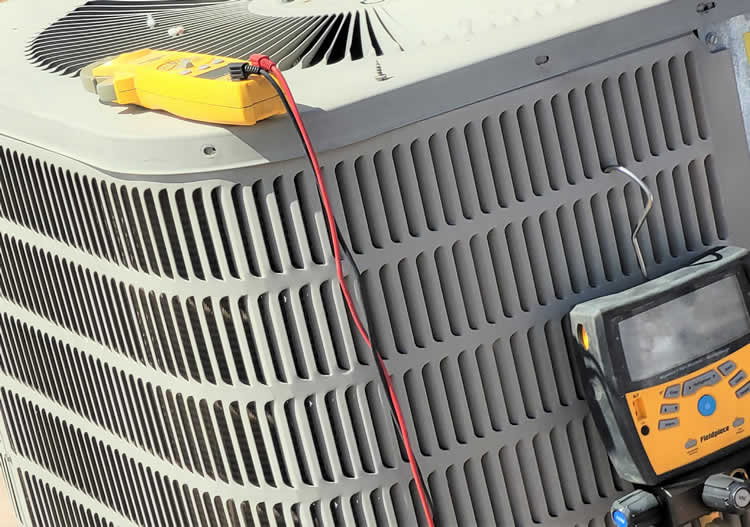
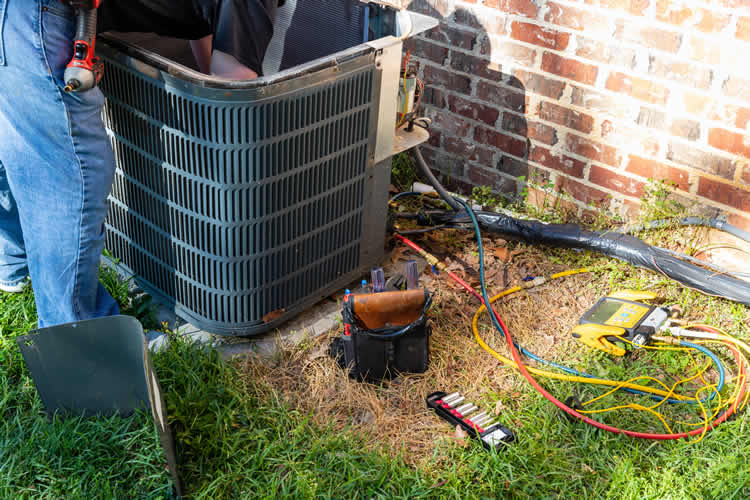
Annual professional service cleans coils deeply, checks refrigerant charge, lubricates motors, tightens electrical connections, and verifies airflow—tasks beyond DIY reach.
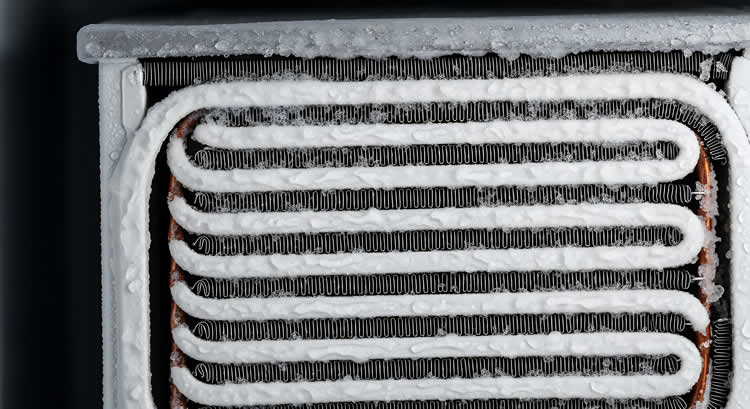
A clean evaporator coil alone can boost efficiency by 10-15%; low refrigerant from minor leaks forces 20-30% more energy use before failure.
In Greater Savannah, spring tune-ups prepare for heavy summer load, often paying for themselves through reduced bills and prevented emergencies.
Additional Low-Effort Habits That Add Up
Close blinds and curtains during peak sun hours to reduce solar heat gain—especially effective in homes with large south- or west-facing windows.
Run ceiling fans to create a wind-chill effect, allowing thermostat settings 3-4°F higher without losing comfort.
Avoid heat-generating appliances (ovens, dryers) during the hottest parts of the day to lessen AC load.
Monitor your energy bill monthly—if cooling costs rise unexpectedly, investigate maintenance needs promptly.