AC Compressor Failure: Signs, Costs, and Whether It’s Worth Repairing
Replacing a failed AC compressor in the Savannah area costs between $1,200 and $2,500 installed, with most homeowners paying around $1,800 for a standard residential compressor swap including parts, labor, and refrigerant. Whether that repair is worth the money depends almost entirely on the age of your system — compressor replacement on a unit under 8 years old is usually a sound investment, while the same repair on a system over 12 years old rarely makes financial sense.
The compressor is the most expensive single component in your air conditioning system and the one that homeowners dread hearing about most. It is also one of the most misdiagnosed failures in residential HVAC, which means understanding what actual compressor failure looks like — versus what gets blamed on the compressor when the real culprit is something cheaper — can save you hundreds or even thousands of dollars.
What the Compressor Does and Why It Matters
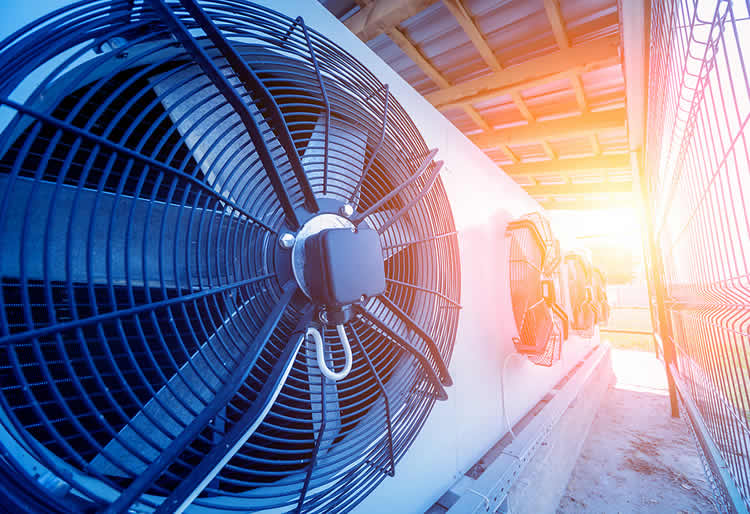
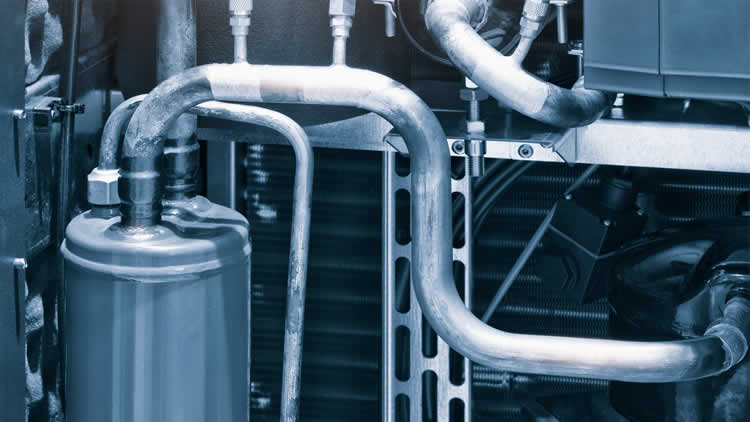
The compressor sits inside your outdoor condenser unit and functions as the pump that drives the entire refrigeration cycle. It compresses low-pressure refrigerant gas into high-pressure gas, which then flows through the condenser coil where it releases heat into the outdoor air. Without a functioning compressor, your system can blow air through the vents all day long and never cool your home by a single degree.
Think of it as the heart of the system. The ductwork is the circulatory system, the refrigerant is the blood, and the compressor is the muscle that keeps everything moving. When the heart stops, nothing else matters — and like a heart, the compressor is both the hardest-working and most expensive component to replace.
In the Savannah and Pooler area, compressors endure extraordinary stress. A compressor in coastal Georgia runs six to seven months per year under heavy load, cycling on and off dozens of times daily during peak summer. On a 96°F afternoon with 75% humidity — which is a routine July day here, not an extreme one — the compressor is working against an enormous temperature differential while the system simultaneously pulls moisture from indoor air. That sustained workload is why compressor failures in the Southeast tend to happen earlier in a system’s life than they do in northern climates.
Signs Your Compressor Is Failing
Compressor failure is rarely instantaneous. In most cases, the compressor degrades over weeks or months before it stops entirely, and the warning signs are distinct enough to catch if you know what to watch for.
The outdoor unit is running but no cold air comes from the vents. This is the most reported symptom. The fan on the outdoor unit spins, you can hear the system operating, but the air from your registers is room temperature or slightly warm. This indicates that the compressor is either not engaging or is running without building adequate pressure to move refrigerant through the cycle. However, this exact symptom also occurs with low refrigerant, a failed capacitor, or a faulty reversing valve on heat pump systems — which is why proper diagnosis matters before anyone starts quoting compressor prices.
Hard starting or stuttering at startup. A healthy compressor engages within a second or two of receiving the signal from the thermostat. A failing compressor may take several attempts to start, producing a stuttering or clicking sound from the outdoor unit before finally engaging — or tripping the circuit breaker entirely. This is called “hard starting” and it typically indicates worn internal bearings or degraded electrical windings. A hard start kit can extend the life of a struggling compressor by a few months to a year, but it is a bandage, not a cure.
Unusual noises from the outdoor unit. Compressors are not silent, but they should produce a consistent, steady hum during operation. Grinding, clanking, or rattling sounds suggest internal mechanical damage — broken valves, loose mounting hardware, or bearing failure. A high-pitched screaming or hissing noise can indicate dangerously high internal pressure and warrants shutting the system off immediately and calling a technician.
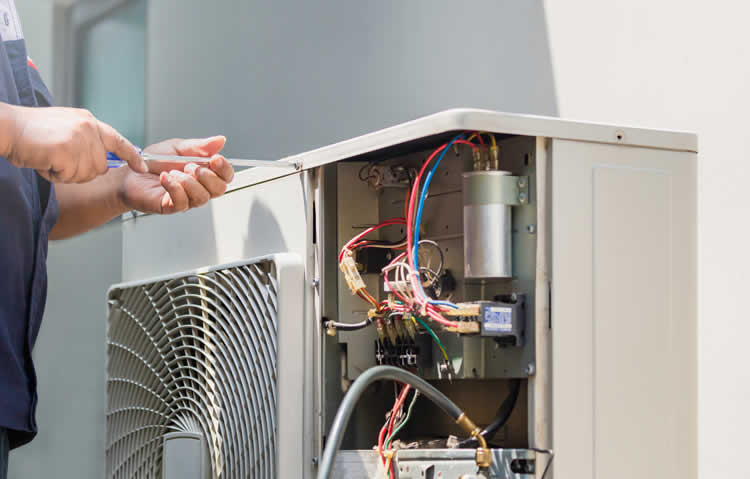
The circuit breaker trips repeatedly. A compressor with failing electrical windings draws excessive amperage, which trips the breaker as a safety measure. If your outdoor unit’s breaker trips once, reset it and monitor. If it trips again within 24 hours, stop resetting it — repeated tripping indicates a serious electrical fault, and forcing the system to run risks damaging other components or creating a fire hazard.
Warm air plus a higher-than-normal electric bill. This combination suggests a compressor that is running but not compressing efficiently. The internal valves may be leaking, allowing high-pressure refrigerant to bleed back to the low-pressure side without completing the cycle. The system runs constantly because it never reaches the thermostat setpoint, your electric bill spikes, and your home stays uncomfortably warm. This is sometimes called a “weak” or “lazy” compressor, and it can go on for months before the compressor fails completely.
What Kills Compressors in Coastal Georgia
Understanding why compressors fail helps you evaluate whether a replacement is likely to last or whether the underlying conditions that killed the first one will kill the replacement too.
Electrical damage from power surges and brownouts. Savannah’s summer thunderstorms are legendary, and the lightning and power fluctuations they bring are the leading cause of compressor electrical failure in this region. A direct surge can fry the compressor’s motor windings instantly. More commonly, repeated brownouts — brief voltage drops during high-demand periods — cause cumulative damage to the windings over time. Whole-home surge protectors help but do not eliminate the risk entirely.
Refrigerant issues. Both overcharging and undercharging refrigerant cause compressor damage. Low refrigerant forces the compressor to work harder and run hotter, eventually overheating the motor windings. Overcharged refrigerant causes liquid slugging — liquid refrigerant enters the compressor instead of gas, and since liquids do not compress, the resulting hydraulic shock damages the internal valves and pistons. This is why refrigerant work should only be done by a technician with proper gauges and charging charts, not estimated by feel or experience.
Contaminant buildup. When moisture or air enters the sealed refrigerant system — usually through a leak or during improper service — it creates acids that corrode the compressor’s internal components from the inside out. This is called acid burnout, and it is detectable through an acid test on the refrigerant oil. If a technician diagnoses acid burnout, simply replacing the compressor without flushing the entire refrigerant system will result in the new compressor failing within months.
Lack of maintenance. A dirty condenser coil forces the compressor to operate against higher-than-designed pressures, which generates excess heat and accelerates wear. In Savannah, where pollen coats everything from March through May and salt air deposits build up year-round on coastal properties, condenser coils get dirty faster than in most markets. An annual cleaning is the minimum; twice-yearly cleaning is worth considering for homes east of I-95 where salt exposure is highest.
The Real Cost Breakdown
Compressor replacement costs are not just the compressor itself. A full accounting of the repair includes several line items that are non-negotiable for a proper job.
The compressor unit typically costs $600 to $1,200 for the part itself, depending on the brand, tonnage, and whether it is an OEM (original equipment manufacturer) or aftermarket component. A 3-ton Copeland scroll compressor for a Carrier system costs differently than a 4-ton Bristol compressor for a Goodman unit. Aftermarket compressors from companies like Kulthorn or Tecumseh can reduce the parts cost by 20-30% on some systems without sacrificing reliability.
Labor runs $400 to $800 and covers the physical removal of the old compressor, brazing in the new one, pulling a vacuum on the refrigerant lines to remove moisture and contaminants, and recharging the system. This is not a one-hour job — expect 3 to 5 hours for a straightforward swap, longer if the technician encounters corroded fittings or needs to replace the filter drier and thermal expansion valve simultaneously.
Refrigerant costs add $100 to $400 depending on system size and refrigerant type. The system must be fully evacuated before the compressor swap and recharged afterward. If your system runs R-22, this line item alone can add $300 or more to the total.
A filter drier replacement should be included in every compressor swap and costs $50 to $150. The filter drier removes moisture and contaminants from the refrigerant, and failing to replace it when installing a new compressor is one of the most common shortcuts that leads to premature failure of the replacement.
When Compressor Replacement Makes Sense
The decision matrix is cleaner than most homeowners expect.
Replace the compressor if your system is under 8 years old, uses R-410A or newer refrigerant, has been reasonably maintained, and the rest of the system — condenser coil, evaporator coil, blower motor, air handler — is in good working condition. A new compressor on a 5-year-old system should give you another 8 to 12 years of reliable operation, making $1,800 a reasonable investment.
Also check your warranty. Most residential compressor manufacturers offer a 5-year parts warranty as standard, and many offer 10-year warranties if the system was registered within 60 days of installation. If your compressor fails within the warranty period, the part itself is covered and you pay only labor and refrigerant — typically $500 to $900 total. Check your paperwork before authorizing any work.
Replace the entire system if the unit is over 12 years old, uses R-22, has a history of other recent repairs, or if the technician identifies acid contamination in the refrigerant system. Installing a $1,800 compressor in a 14-year-old system that will need an evaporator coil in two years and a blower motor in three is not saving money — it is delaying a larger expense while adding incremental costs along the way.
The gray zone is systems between 8 and 12 years old, where the decision depends on specific conditions. In this range, the refrigerant type often becomes the deciding factor. An R-410A system at 10 years with no other issues is worth a compressor replacement. An R-22 system at 10 years is a much harder sell.
Getting the Diagnosis Right
Before you spend $1,800 on a compressor, make sure it is actually the compressor. A failed run capacitor ($150 to $300 to replace) can produce symptoms identical to compressor failure — the outdoor unit hums but the compressor does not engage. A blown contactor produces similar results. Even a faulty thermostat or tripped safety switch can mimic a dead compressor to an untrained eye.
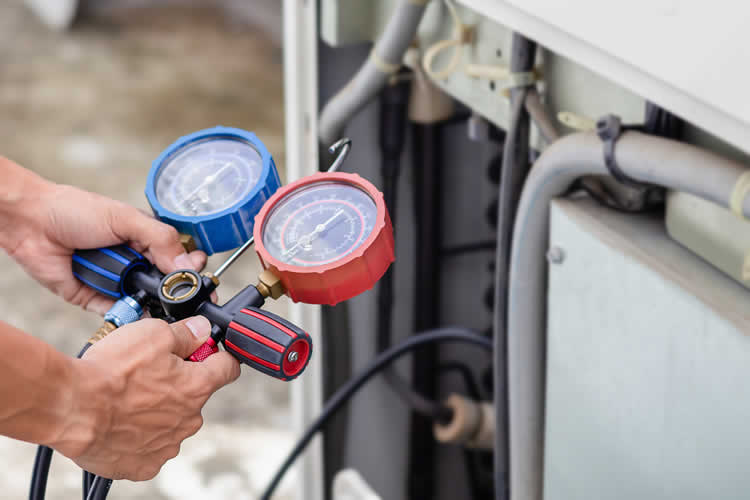
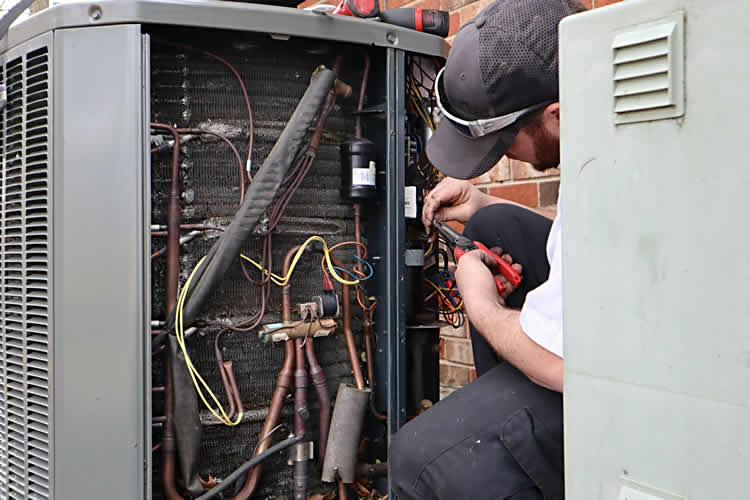
A proper compressor diagnosis involves measuring amperage draw on the compressor terminals, checking the capacitor with a multimeter, testing the contactor, and verifying refrigerant pressures on both the high and low side. If a technician diagnoses compressor failure without taking electrical and pressure measurements, get a second opinion before authorizing the work.
At Carriage Heating & Cooling, compressor diagnosis is part of our standard diagnostic process. We measure, document, and explain what we find before recommending any repair. If you have been told your compressor is dead and the quote feels high, call us at (912) 306-0375 for a second opinion anywhere in the Pooler, Savannah, or Richmond Hill area.